Revolutionize Your Outdoor Setting: Professional Landscaping Guidance for an Exceptional Home Garden
Converting an outdoor space into a beautiful residential landscape involves strategic planning and thoughtful implementation. By analyzing the distinctive characteristics of a outdoor area, individuals can establish clear garden objectives. Selecting vegetation suited to the local climate is crucial. Moreover, incorporating practical hardscape elements strengthens both beauty and usability. Still, the experience doesn't stop there. Understanding how to sustain vibrancy and sustainability can elevate any landscape significantly. What strategies drive successful long-term results?
copyrightine Your Property to Determine Your Landscaping Objectives
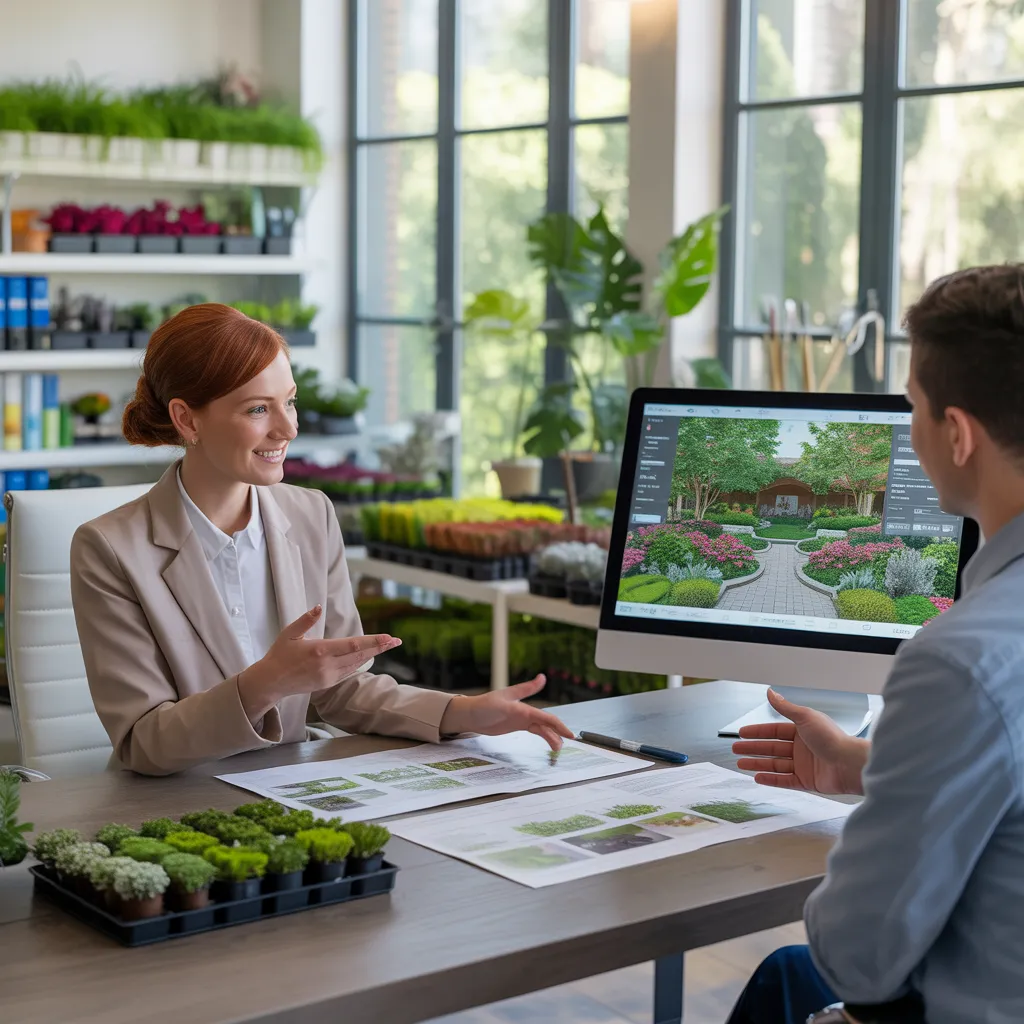
Before beginning any garden work, it is essential for homeowners to assess their exterior environment thoroughly. This initial evaluation allows them to understand the distinct features of their property, including sunlight exposure, ground composition, and current plants. Determining these factors assists with deciding what types of design elements and features can be successfully incorporated into the space.
Homeowners should record dimensions and document any barriers such as trees, fences, or pathways that could affect the design. Furthermore, recognizing personal preferences and living requirements—including areas for entertainment, plant cultivation, or relaxation—can guide the landscaping goals. By clearly defining these aims, homeowners create a strong foundation for a cohesive and functional outdoor environment. This thoughtful assessment ultimately leads to a greater and satisfying garden renovation, ensuring the outdoor space enhances not just the property's visual appeal but also fulfills the practical needs of its inhabitants.
Select the Best Plants for Your Local Climate
Selecting check article the right plants for a particular region is critical for establishing a flourishing exterior environment. Grasping local weather patterns, including heat levels, precipitation, and moisture levels, helps homeowners choose vegetation that will thrive. Native plants often adapt most effectively, needing minimal maintenance and water. For copyrightple, water-efficient plants are perfect for arid regions, while water-preferring plants flourish in moisture-rich environments.
Gardeners should additionally consider climate variations; choosing vegetation that offers continuous appeal improves the landscape. Early bloomers, warm-season vegetation, and vibrant fall foliage can create a striking visual display. Additionally, consulting regional nurseries or horticultural resources can offer helpful information into sturdy vegetation suited to particular environments.
Finally, a strategically designed vegetation arrangement enhances not just beauty but also promotes local wildlife and promotes ecological health, making it a wise choice for every exterior area renovation.
Improve Your Garden Using Practical Landscape Features
Functional hardscaping elements act as vital components in shaping exterior areas and maximizing their practicality. By incorporating seating areas and well-designed pathways, homeowners can create inviting environments that encourage relaxation and movement. Additionally, borders can help delineate different zones within the garden, adding structure and visual interest.
Establish Your Outdoor Setting
Creating a strategically designed outdoor space can reimagine a yard into a peaceful sanctuary. One effective technique to achieve this is through functional hardscaping elements, which create organization and visual order. Pathways made from brick or stone guide visitors while creating visual appeal. Support walls can form layered heights, improving the landscape's appearance and avoiding erosion. Fencing or trellises can delineate borders, providing privacy and a feeling of containment. Incorporating raised garden beds not only defines planting areas but also improves accessibility. These elements work together to create distinct zones that improve both visual appeal and practicality. Ultimately, a well-defined outdoor space creates a peaceful setting where homeowners can relax and enjoy nature.
Incorporate Sitting Areas
Incorporating sitting zones into an exterior environment greatly boosts its usability and appeal. By integrating functional hardscaping elements, homeowners can establish welcoming areas for relaxation, socializing, or enjoying nature. Options include benches, patio sets, or hammocks, each adding to the landscape's visual charm and convenience. Carefully positioning chairs near focal points, such as flower beds or water features, encourages users to engage with their surroundings. Additionally, selecting materials such as natural wood or stone can complement the garden's design, maintaining design consistency. Protective coverings, such as covered structures or shades, ensure relaxation during warmer months, making these areas usable year-round. Ultimately, carefully planned sitting zones reimagine a basic yard into a welcoming retreat for guests and loved ones.
Establish Pathways And Borders
Borders and pathways function as essential elements in outdoor landscaping, conducting guests across the garden while strengthening its design quality. They encourage arrangement and movement, facilitating the distinction of various areas and plant choices. Brick, stone, or gravel options can establish durable routes, while borders derived from ornamental fencing or shrubs improve visual beauty. Pathways can inspire discovery, showcasing areas like flower displays or water features. Well-maintained borders reduce invasive plants and ground loss, promoting garden vigor. When combined, pathways and borders improve practicality while improving stylistic appeal of your landscape, creating areas that are more attractive and satisfying.
Build Flow Using Walkways and Seating Arrangements
A thoughtfully designed exterior area regularly showcases a cohesive circulation created through strategically arranged pathways and rest areas. Pathways lead people throughout the garden, developing a strong sense of navigation while improving the aesthetic appeal. Applying selections including gravel, stone, or wood can improve the path's beauty and support durability.
Rest zones offer resting spots, encouraging visitors to stop and enjoy the environment. Placing seating deliberately near highlights, like a water feature or a planted area, promotes engagement with the outdoor setting. Your seating selection—chairs, benches, or even swings—will affect the mood, whether formal or relaxed.
Incorporating both pathways and seating fosters an inviting environment, enhancing usability and enjoyment. Together, they create a seamless shift between different areas of the garden, promoting exploration and relaxation, ultimately transforming any outdoor space into a tranquil retreat.
Transform Your Garden With Seasonal Tones and Depth
To enhance the visual appeal of a garden, careful selection of seasonal plants is essential. Layering different textures can add depth and interest, while strategically placed focal points can draw the eye and create a cohesive design. These elements together guarantee a vibrant and dynamic outdoor space throughout the year.
Choose Garden Plants by Season Thoughtfully
Selecting seasonal plants thoughtfully can reshape your garden into a colorful and textured paradise. By opting for plants with varied blooming seasons, gardeners can guarantee a continuous display of beauty. Spring flowers, summer annuals, autumn perennials, and winter foliage plants each provide distinctive colors and silhouettes to the landscape. It is essential to take into account area-specific climate and soil characteristics, as well as the plants' growth habits. Native species often flourish with reduced upkeep needs, promoting ecological diversity. Additionally, blending plants of assorted heights and flowering schedules can produce a striking visual impact. Ultimately, thoughtful selection fosters a garden that evolves with the seasons, providing beautiful scenes every season.
Build Texture Layers To Add Dimensional Depth
Building garden depth involves layering textures that complement and enhance seasonal color. By integrating diverse plant species with different leaf patterns, heights, and color schemes, one can achieve a visually dynamic landscape. For instance, blending large-leaved plants with soft grasses can create contrast and intrigue. Additionally, including natural wood, pebbles, and organic components introduces tactile elements that enrich the overall experience. Flowering displays should be carefully arranged to provide bursts of color throughout the year, maintaining ongoing visual engagement. This thoughtful arrangement not only draws the eye across the garden but also fosters an immersive atmosphere where each element reinforces the garden's beauty and equilibrium.
Use Focal Points Strategically
Strategically incorporating primary visual elements can substantially elevate a garden's design appeal and seasonal dynamism. These primary focal elements serve as anchors that draw the eye and create a cohesive design. Gardeners can leverage pieces such as monuments, decorative specimens, or striking beds to establish visual interest. Seasonal color can be infused through the deliberate curation of plants with varying bloom schedules, ensuring that the garden remains dynamic throughout the year. Textural elements also factor significantly; uniting smooth pathways with rugged surfaces or abundant greenery provides dimension. By carefully positioning these details, a gardener can construct a hospitable setting that inspires investigation and admiration, transforming an outdoor space into an engaging retreat.
Implement Sustainable Strategies to Foster a Healthy Garden
Embracing sustainable approaches is crucial for fostering a vibrant garden that succeeds in harmony with the ecosystem. Horticulturists are urged to employ local botanical species, which need reduced moisture and maintenance while supporting community animals. Applying sustainable cultivation practices, such as nutrient enrichment and chemical-free pest management, can greatly minimize synthetic chemicals, creating a healthier biological community
Water-efficient strategies, comprising drip irrigation and water collection systems, enhance environmental responsibility by maximizing efficient resource allocation. Mulching conserves moisture and also suppresses weed growth, lowering the requirement for weed killers. Also, encouraging ecological diversity by including diverse plant species promotes resistance to insects along with infections.
Soil quality is vital; practices like sequential planting and cover crops sustain nutrient content without chemical fertilizers. Through adopting these environmentally-conscious methods, gardeners can establish a flourishing area that fosters plant life environmental health, producing a greater horticultural experience.
Address Standard Challenges to Maintain Continuous Landscape Beauty
A carefully-tended landscaped area can experience numerous problems throughout the year, affecting its combined aesthetics along with health. Typical problems encompass pest issues, lacking minerals, and limited water. Spotting pests early is vital; plant growers should frequently review plant parts for damage indicators along with address pest outbreaks with natural pesticides or adding helpful insects.
Nutrient deficiencies commonly appear as yellow foliage along with stunted growth. Performing soil assessments can assist identify individual requirements, allowing for strategic fertilization Insufficient nutrients frequently manifest as yellowing leaves along with stunted growth. Running soil analysis can assist determine particular needs, allowing precise fertilizer use returning balance. Furthermore, maintaining correct watering is important; too much water can result in root decay, while under-irrigation pressures plants.
Seasonal changes furthermore demand modifications to plant care. In winter, mulching guards root areas from frost, whereas summer could require increased watering plus shaded areas for fragile plants. By tackling such common issues promptly
Can I Do Garden Design Myself or Bring in a Expert?
Certainly, you can complete landscaping projects yourself, leveraging web-based guides and imagination. Nonetheless, engaging an expert guarantees expertise, speed, and improved output, notably for advanced designs or larger projects requiring professional expertise.
Which Items Are Necessary for Yard Landscaping?
Essential implements for yard landscaping include a rake, garden shovel, digging tool, trimming shears, fork, and a watering hose or water can. These implements assist successfully handling dirt, vegetation, and general garden upkeep, providing professional landscaping.
What Methods Should I Implement to Maintain My Yard During the Calendar Year?
To keep a garden vibrant all year long, consistently cut back vegetation, add mulch for thermal protection, check soil moisture, and use seasonal planting approaches. Also, pest prevention and soil fertilization are required for vibrant, healthy growth.